

NEET 2026 Preparation: Plan, Timetable, Books & Strategy
NEET 2026 preparation made simple: month-wise timetable, subject-wise strategy, best books, chapter weightage & mock plan for the 21 June 2026 exam.
 Competer

NEET 2026 preparation works best when you reverse-engineer it from the exam: NEET-UG 2026 is scheduled for 21 June 2026, a single offline paper of 200 questions (180 to be attempted) worth 720 marks with +4/-1 marking. With roughly nine months from September 2025, an aspirant who finishes the NCERT-first syllabus by January, revises twice, and solves a full-length mock every 10-15 days can realistically target 600+ marks. This guide gives you a ready month-wise timetable, chapter-wise weightage tables, separate paths for Class 11, Class 12 and droppers, and an exact revision workflow — not vague motivation.
Quick Answer: NEET 2026 Preparation in 8 Lines
- Time you need: 6-8 focused hours/day (10-12 for droppers); one year is enough if you stay consistent.
- Where marks live: Biology = 360 marks (50%). Score near-full here first.
- Foundation: Go NCERT-first — about 70-75% of questions trace back to NCERT.
- Sequence: Finish the syllabus by Feb, then revise in 3 cycles + mocks.
- Practice: Full-length mock every 10-15 days from January; ramp to 2-3/week by April.
- Target: ~600+ gives a strong shot at a government MBBS seat in most states.
- Books: NCERT core + one reference per subject + 10-15 years of PYQs.
- Coaching: Not mandatory — self-study works with a disciplined plan and honest self-testing.
NEET 2026 Exam Overview and Pattern (Know This First)
Before you build any study plan, internalise the exam structure. NEET (National Eligibility cum Entrance Test) is conducted by the National Testing Agency (NTA) as the single gateway to MBBS, BDS, AYUSH, BVSc and allied medical courses across India. The 2026 edition is a pen-and-paper (OMR) test — you must master both the syllabus and the timing.
| Parameter | NEET 2026 Detail |
|---|---|
| Exam date | 21 June 2026 (Sunday) |
| Mode | Offline — pen & paper (OMR sheet) |
| Duration | 3 hours 20 minutes (200 minutes) |
| Total questions | 200 (attempt any 180) |
| Total marks | 720 |
| Marking scheme | +4 correct, -1 wrong, 0 unattempted |
| Subjects | Physics, Chemistry, Biology (Botany + Zoology) |
| Medium | 13 languages incl. English & Hindi |
| Question type | Multiple choice (MCQ), single correct |
The paper carries an inbuilt cushion: 200 questions but only 180 to be attempted means you can skip the 20 toughest and still access every mark. Use it wisely on exam day. Note that NTA periodically revises the section structure (optional Section B, duration) — always confirm the final pattern in the official NEET 2026 Information Bulletin before the exam.
Subject-Wise Marks Distribution
Biology alone is worth 360 marks — exactly 50% of the paper. This is why every serious NEET 2026 preparation strategy is built around scoring near-full in Biology first.
| Subject | Questions (attempt) | Marks | Share |
|---|---|---|---|
| Physics | 45 | 180 | 25% |
| Chemistry | 45 | 180 | 25% |
| Botany | 45 | 180 | 25% |
| Zoology | 45 | 180 | 25% |
| Total | 180 | 720 | 100% |

How to Prepare for NEET 2026: The 5-Step Framework
Every high scorer follows roughly the same loop. Here is how to prepare for NEET 2026 without wasting the nine months you have.
- Step 1 — Master the NTA syllabus: Download the official reduced syllabus and mark every chapter. Categorise each into high / medium / low weightage (tables below) so your hours flow to where marks are.
- Step 2 — Go NCERT-first: Around 70-75% of NEET questions, especially in Biology and Chemistry, come directly from NCERT lines and diagrams. Finish NCERT before any reference book.
- Step 3 — Build a daily timetable: 6-8 focused hours for regular students, 10-12 for droppers, split across all three subjects daily (never single-subject days).
- Step 4 — Practice + test relentlessly: Daily MCQs, weekly topic tests, and a full-length mock every 10-15 days from January onward.
- Step 5 — Revise in cycles: Short notes, a mistake notebook, active recall and 2-3 full revision rounds before June.
NEET 2026 Study Plan: Month-Wise Timetable (Sep 2025 → Jun 2026)
Most top-ranking pages describe a plan but never hand you one. Here is a concrete, printable NEET 2026 study plan you can pin above your desk — a countdown from September 2025 to the 21 June 2026 exam, with a clear milestone for each block.
| Month | Primary Focus | Milestone |
|---|---|---|
| Sep 2025 | Class 11 core: Physics (Kinematics, Laws of Motion), Chemistry (Basic Concepts, Structure of Atom), Biology (Cell, Diversity) | Habit + syllabus mapped |
| Oct 2025 | Thermodynamics, Chemical Bonding, Plant Physiology; align with school/boards | ~25% syllabus done |
| Nov 2025 | Waves, Equilibrium, Human Physiology begins | ~40% syllabus done |
| Dec 2025 | Finish Class 11 backlog + start Class 12 (Electrostatics, Solutions, Reproduction) | Class 11 complete |
| Jan 2026 | Class 12 core (Current Electricity, Organic Chemistry, Genetics) | ~65% + first full mock |
| Feb 2026 | Optics, Coordination Compounds, Ecology, Biotechnology | ~85% syllabus done |
| Mar 2026 | Complete full syllabus + board exams (if Class 12) | 100% first pass done |
| Apr 2026 | Revision Cycle 1 + PYQs (last 10 years) + 2 mocks/week | Weak areas listed |
| May 2026 | Revision Cycle 2 + high-weightage chapters + 3 mocks/week | Consistent 600+ mocks |
| 1-20 Jun 2026 | Revision Cycle 3 (short notes only) + light mocks + NCERT skim | Exam-ready, calm |
To convert this into a daily rhythm, allocate every study day across all three subjects rather than dedicating whole days to one — spaced exposure beats cramming for retention.
Daily Timetable: Regular Student vs Dropper
| Time Block | Regular (Class 11/12) | Dropper |
|---|---|---|
| Morning slot | 1.5 hr — Physics (concepts + numericals) | 3 hr — Physics + Chemistry theory |
| Midday | School / self-study | 3 hr — Biology (NCERT + MCQs) |
| Evening | 2 hr — Biology NCERT + diagrams | 3 hr — Numericals + PYQs |
| Night | 1.5 hr — Chemistry + revision | 2 hr — Revision + mistake notebook |
| MCQs/day | 80-100 | 150-200 |
| Total hours | 6-8 hrs | 10-12 hrs |
NCERT-First Approach: Why It Wins NEET 2026
If you remember one rule for NEET 2026 preparation, make it this: NCERT is the source of truth. Analysis of previous NEET papers shows that the large majority of Biology and inorganic Chemistry questions are lifted almost verbatim from NCERT sentences, tables and figure captions. Physics is more application-based, but even there NCERT gives the concept and standard values.
Practical NCERT workflow:
- Read every line of NCERT Biology twice — highlight factual lines, memorise diagrams and their labels.
- For Chemistry, NCERT is enough for Inorganic and most Physical; supplement Organic with practice.
- Make one-line margin notes and convert exceptions/keywords into flashcards.
- After each chapter, solve NCERT-based MCQs before touching reference material.
Is NCERT enough for NEET 2026? For Biology, NCERT plus heavy MCQ practice can get you close to full marks. For Physics and Chemistry numericals you need extra problem sets — that is where a structured module set adds value. The Careerwill NEET Study Module Set (23 modules, 4200+ pages with mind-maps, built to the latest NTA pattern) is designed to layer directly on top of NCERT for exactly this gap.
Subject-Wise Strategy for NEET 2026
Each subject rewards a different approach. Splitting your NEET 2026 preparation strategy by subject is how toppers convert study hours into marks.
Biology (360 marks) — Your Scoring Engine
Biology decides ranks because it is high-volume and fact-heavy but predictable. Read NCERT line-by-line, memorise every diagram (heart, nephron, brain, flower structure, DNA replication), and drill Class 11 and 12 chapters equally. Human Physiology, Genetics & Evolution, Ecology, and Cell Biology are perennial high-yield zones. Aim for 340+ out of 360.
Chemistry (180 marks) — The Balancer
Split it into three: Physical (formula + numericals), Inorganic (NCERT memorisation, especially p-block and coordination compounds), and Organic (reaction mechanisms, named reactions, GOC). Maintain a formula sheet and a named-reaction chart. Chemistry is the easiest place to gain marks fast because Inorganic is pure recall.
Physics (180 marks) — The Differentiator
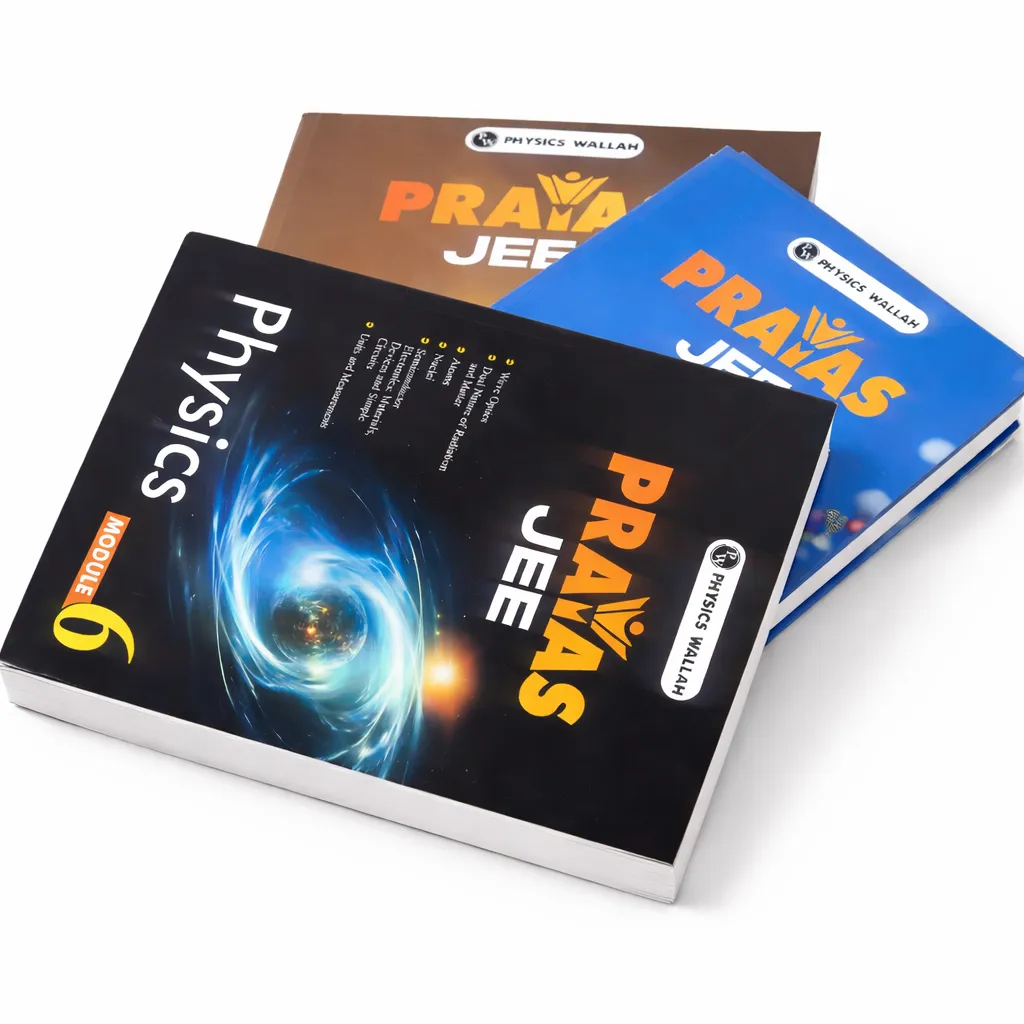
Physics separates 650+ scorers from the rest. Focus on concepts first, then relentless numerical practice. Mechanics, Electrodynamics, and Modern Physics carry the most questions. Keep a formula notebook, and solve timed problem sets daily. Because NEET Physics and Chemistry overlap heavily with the Class 11-12 engineering syllabus, disciplined problem-solvers often use JEE-grade practice modules such as the eSaral IIT JEE Modules or PW Prayas JEE Modules to build depth in Physics and Physical Chemistry before returning to NEET-level MCQs.
Chapter-Wise Weightage: Where the Marks Actually Are
Thin weightage data is the biggest gap in most NEET guides. Below are the consistently high-yield chapters by subject, with typical expected question counts (based on recent NEET trends — treat as indicative, not guaranteed). Prioritise these when time is short.
| Biology High-Yield Chapter | Approx. Qs | Priority |
|---|---|---|
| Human Physiology | 12-14 | Very High |
| Genetics & Evolution | 10-12 | Very High |
| Ecology & Environment | 8-10 | Very High |
| Cell Biology & Biomolecules | 6-8 | High |
| Plant Physiology | 6-8 | High |
| Reproduction | 6-8 | High |
| Biotechnology | 4-6 | Medium |
| Chemistry High-Yield Chapter | Approx. Qs | Priority |
|---|---|---|
| Chemical Bonding & Molecular Structure | 3-4 | Very High |
| Coordination Compounds | 3-4 | Very High |
| Organic — GOC & Hydrocarbons | 4-5 | Very High |
| Thermodynamics & Equilibrium | 3-4 | High |
| p-Block Elements | 3-4 | High |
| Electrochemistry & Kinetics | 2-3 | Medium |
| Physics High-Yield Chapter | Approx. Qs | Priority |
|---|---|---|
| Mechanics (Laws, Work-Energy, Rotation) | 8-10 | Very High |
| Electrodynamics (Electrostatics, Current, Magnetism) | 8-9 | Very High |
| Modern Physics & Electronics | 5-6 | High |
| Optics & Waves | 4-5 | High |
| Thermodynamics & Kinetic Theory | 3-4 | Medium |
Different Paths: Class 11, Class 12, Dropper & Boards Students
A single generic plan fails because a Class 11 beginner and a dropper have opposite constraints. Here is how each cohort should shape their NEET 2026 preparation.
| Aspirant Type | Core Approach | Daily Hours |
|---|---|---|
| Class 11 (beginner, self-study) | Build strong fundamentals; sync NEET with school; finish Class 11 syllabus deeply before Class 12. No rush on mocks yet. | 4-6 hrs |
| Class 12 (with boards) | Integrate boards + NEET; NCERT does double duty; start full mocks from Jan; protect Biology. | 6-8 hrs |
| Dropper | Full-day schedule; diagnose last year’s weak areas first; maximum mocks & PYQs; ruthless revision. | 10-12 hrs |
| Working/late starter | High-yield chapters only; NCERT + PYQ focus; weekend full mocks; realistic target-setting. | 5-7 hrs |
NEET 2026 Preparation for Class 11 (Self-Study)
If you are in Class 11 and preparing for NEET 2026 through self-study, your advantage is time and your risk is drifting without structure. Anchor NEET to your school syllabus so the same chapter is studied once, deeply — read the NCERT chapter, make short notes, then solve NCERT-based MCQs before moving on. Do not rush into full mock tests; instead, finish Class 11 thoroughly (Biology diversity and physiology, Physics mechanics, Chemistry basic concepts and bonding) because a shaky Class 11 base is the single biggest reason droppers repeat a year. Two focused subject rotations a day, a weekly self-test, and a mistake notebook are enough at this stage. Treat consistency — not intensity — as the goal for the first year.
Best Timetable for NEET 2026 Droppers
Droppers have the biggest advantage — a full undistracted year — and the biggest risk: burnout and repeating old mistakes. The best dropper timetable front-loads diagnosis. Spend the first two weeks analysing your previous attempt marks-by-chapter, then run the 10-12 hour daily plan above with three full-length mocks per week from February. Treat your mistake notebook as your most important book.
Best Books for NEET 2026 Preparation
Which are the best books for NEET 2026 preparation? Start and end with NCERT, then add a focused reference and practice layer. Avoid book-hoarding — mastering fewer books beats skimming many.
| Subject | Foundation | Practice / Reference |
|---|---|---|
| Biology | NCERT Class 11 & 12 (must-master) | Trueman’s Biology, NCERT-based MCQ compilations, PYQ chapter-wise |
| Physics | NCERT + concept modules | HC Verma, DC Pandey / structured JEE-level problem modules |
| Chemistry | NCERT (esp. Inorganic & Physical) | MS Chouhan (Organic), practice module sets, PYQ |
| All subjects | NCERT | Last 10-15 years PYQ + a reliable test series |
For an integrated, pattern-aligned package rather than assembling five separate books, the Careerwill NEET Study Module Set bundles the complete syllabus with mind-maps across 23 modules — useful as your primary practice layer on top of NCERT.
Practice, PYQs and Mock Test Plan
Reading builds knowledge; solving builds rank. Structure your practice in three tiers so nothing is skipped:
- Daily MCQs: 80-200 questions from the chapters you studied that day.
- Weekly topic tests: Every weekend, test the week’s chapters under time pressure.
- Full-length mocks: One every 10-15 days from January, ramping to 2-3/week by April-May. Always in the 2-5 PM slot to match exam timing.
- Previous-year papers: Solve the last 10-15 years, chapter-wise first, then as full papers. PYQs reveal NTA’s repeat patterns.
After every mock, spend more time on analysis than on the test itself: log every wrong answer in your mistake notebook with the reason (silly error / concept gap / guess). By exam day a serious aspirant will have taken 30-40 full-length mocks — the trend of those scores, not any single result, is your real readiness signal.
Revision Mechanics: Spaced Repetition, Not Buzzwords
“Revise regularly” is useless advice without a system. Use spaced repetition — revisit each chapter at expanding intervals so it moves into long-term memory.
| Revision | When | Method |
|---|---|---|
| 1st revision | Same day (night) | Skim notes + recall key points |
| 2nd revision | After 3 days | Active recall — write from memory |
| 3rd revision | After 7 days | Solve MCQs on the chapter |
| 4th revision | After 21 days | Short notes + mistake notebook |
| Full cycles | Apr, May, Jun | 2-3 complete syllabus sweeps |
Three tools make revision efficient: (1) short notes per chapter for fast final-week review, (2) a mistake notebook you re-read weekly, and (3) active recall — close the book and reproduce the concept before checking. Passive re-reading feels productive but is the least effective method.
The Final 45 Days: What to Do (and Stop Doing)
The last six weeks decide how much of your year converts into marks. Do not start new reference books or unseen topics now. Instead: run one full syllabus sweep from short notes only, take a full-length mock every 2-3 days in the 2-5 PM slot, and re-solve your entire mistake notebook twice. Skim NCERT Biology and inorganic Chemistry cover-to-cover in the final week for one-mark factual pickups. Taper mock intensity in the last 3-4 days, sleep on your normal schedule, and keep exam-day logistics (admit card, ID, centre route) ready in advance so nothing rattles you.
Target-Setting: Marks vs Rank & Cutoff
You cannot plan without a target. Reverse-engineer your daily effort from the score you need. The table below gives indicative marks-to-outcome bands (actual cutoffs vary yearly with difficulty and number of candidates — use as a planning guide only).
| Marks (out of 720) | Indicative Outcome | What It Demands |
|---|---|---|
| 680-720 | Top AIRs, top government MBBS | Near-perfect Bio + strong Physics |
| 620-680 | Good government MBBS seat | 340+ Bio, balanced PCM |
| 550-620 | State quota / deemed MBBS chances | Strong Bio, decent Chem |
| Qualifying (approx. 160-170, UR) | Clears cutoff percentile | Basic NCERT command |
How many marks are needed in NEET 2026 to get an MBBS seat? Broadly, 600+ gives a strong shot at a government MBBS seat in most states, while 550+ opens realistic possibilities in state quotas and private/deemed colleges. Set your daily target so that your mock scores climb steadily toward that band by May.
Exam-Day Time Management & OMR Strategy
Many well-prepared students lose 20-40 marks purely to poor exam-day execution. Plan it now:
- Section order: Start with your strongest subject (usually Biology) to bank marks and build confidence, then Chemistry, then Physics.
- Time split (200 min): roughly 50 min Biology, 45 min Chemistry, 60 min Physics, 45 min buffer for review and OMR.
- Two-pass method: First pass — attempt all sure questions; second pass — return to the marked ones. Never get stuck on one problem.
- OMR discipline: Fill bubbles in batches of 5-10, not one-by-one, to save time and avoid mis-alignment. Double-check question numbers.
- Negative marking: With -1 per wrong answer, guess only when you can eliminate at least two options. Use the 20-question skip cushion on the hardest items.
Common Mistakes to Avoid in NEET 2026 Preparation
- Ignoring NCERT for fancy reference books — reverses the 70-75% rule.
- Studying one subject for days instead of rotating all three daily.
- Hoarding too many books and finishing none.
- Skipping mock analysis — taking tests without studying the errors.
- Neglecting revision until the last month.
- Comparing your progress with others instead of your own mock trend.
- Sacrificing sleep and health, which crashes retention.
Health, Sleep & Stress Management
Your brain is the exam instrument — protect it. Sleep 6-7 hours consistently; sleep-deprived study is low-yield. Take a 5-10 minute break every 45-60 minutes (Pomodoro), eat light and regular meals, and get some daily physical activity to reset focus. Manage stress with short breathing sessions and by trusting your mock trend rather than catastrophising. Talk to family or a mentor when overwhelmed — sustained calm consistency beats frantic bursts followed by burnout.
Can You Crack NEET 2026 With Self-Study (No Coaching)?
Yes. Thousands qualify each year through self-study. What coaching provides — structure, doubt-solving, and tests — you can replicate with a disciplined timetable, a good module set, and a reliable test series. The keys are consistency, honest self-testing, and quick doubt resolution (peers, teachers, or verified online resources). Self-study demands more self-accountability, but it is entirely achievable for a motivated aspirant who follows the plan above.
Frequently Asked Questions
Is 1 year enough to prepare for NEET 2026?
Yes, one year is enough for NEET 2026 preparation if you study consistently for 6-8 hours daily (10-12 for droppers), finish the NCERT-based syllabus by January-February, and then dedicate the remaining months to revision, PYQs and full-length mocks. Focused, structured effort matters more than the total time available.
How many hours should I study daily for NEET 2026?
Regular Class 11/12 students should aim for 6-8 focused hours daily alongside school, while droppers should target 10-12 hours. Quality beats quantity — split every day across Physics, Chemistry and Biology, take short breaks, and always include MCQ practice rather than only reading.
Is NCERT enough for NEET 2026?
For Biology and most of Chemistry, NCERT plus heavy MCQ practice covers the majority of NEET questions, since about 70-75% come from NCERT. For Physics and Chemistry numericals you need extra problem-solving from reference books or a module set, but NCERT must always be your foundation.
Which subject should I start with for NEET 2026 preparation?
Start with Biology because it carries 360 marks (50% of the paper) and is the most scoring, then build Chemistry (easy recall in Inorganic) and Physics (concept + numericals) in parallel. Never neglect any subject — study all three every day for balanced progress.
What is the best timetable for NEET 2026 droppers?
The best dropper timetable runs 10-12 focused hours split across all three subjects daily, with the first two weeks spent diagnosing your previous attempt chapter-by-chapter. From February, take three full-length mocks per week in the 2-5 PM slot, analyse every mistake in a notebook, and dedicate April-June to three full revision cycles. Prioritise your weakest high-weightage chapters first.
How many marks are needed in NEET 2026 to get an MBBS seat?
As an indicative guide, 600+ out of 720 gives a strong chance at a government MBBS seat in most states, while 550+ opens realistic options in state quotas and private/deemed colleges. Exact cutoffs change every year with paper difficulty and candidate numbers, so treat these bands as planning targets and confirm official counselling cutoffs.
Which are the best books for NEET 2026 preparation?
NCERT Class 11 and 12 are the core for all subjects. Supplement with Trueman’s Biology, HC Verma and DC Pandey for Physics, and MS Chouhan for Organic Chemistry, plus 10-15 years of previous-year papers. An integrated, NTA-pattern module set such as the Careerwill NEET Study Module Set works well as a single practice layer on top of NCERT.
Can I crack NEET 2026 with self-study without coaching?
Yes, many aspirants qualify NEET through self-study. You need a disciplined timetable, NCERT-first study, a good module set, regular mock tests, and a quick doubt-solving method. Self-study demands strong self-accountability, but with consistency and honest mock analysis it is fully achievable.
How should a Class 11 student start NEET 2026 preparation with self-study?
Sync NEET prep with your school syllabus so each chapter is studied once and deeply: read the NCERT chapter, make short notes, then solve NCERT-based MCQs. Study 4-6 hours daily, rotate all three subjects, keep a mistake notebook, and take a weekly self-test. Build a rock-solid Class 11 foundation before rushing into full mock tests.
Recommended Study Material



Competer
The Competer team: we pack the orders, so we know which editions aspirants keep coming back for.
Get it printed
NEET study material aspirants order most on Competer, delivered across India
Careerwill NEET Study Module Set (English Medium) | Complete Syllabus | 23 Modules | 4200+ Pages | Mindmaps | Updated With Latest NTA Pattern | Designed By Kota Best NEET Faculties₹2,799 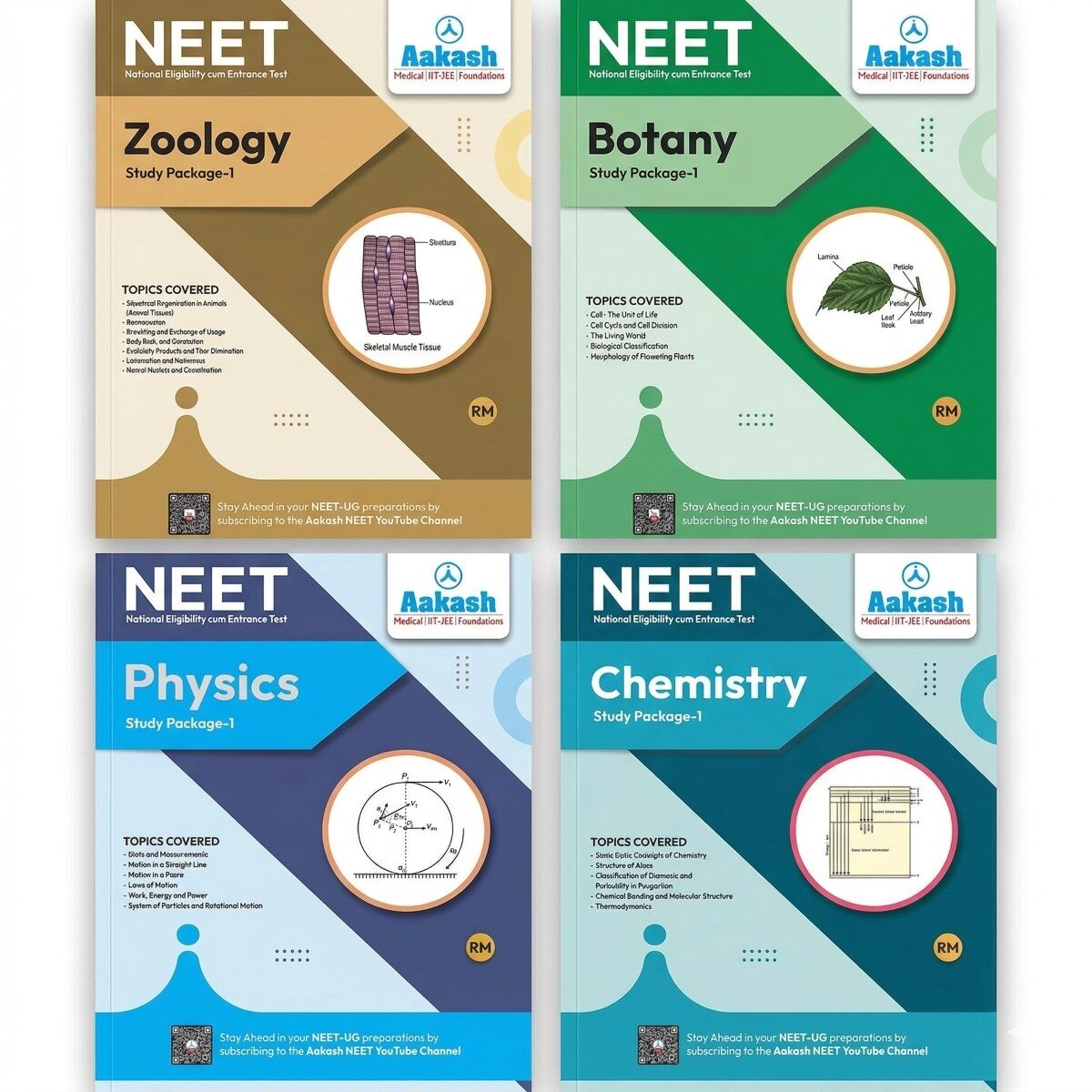 Aakash NEET 11th+12th Complete 17 Book Set | Edition 2026₹4,999
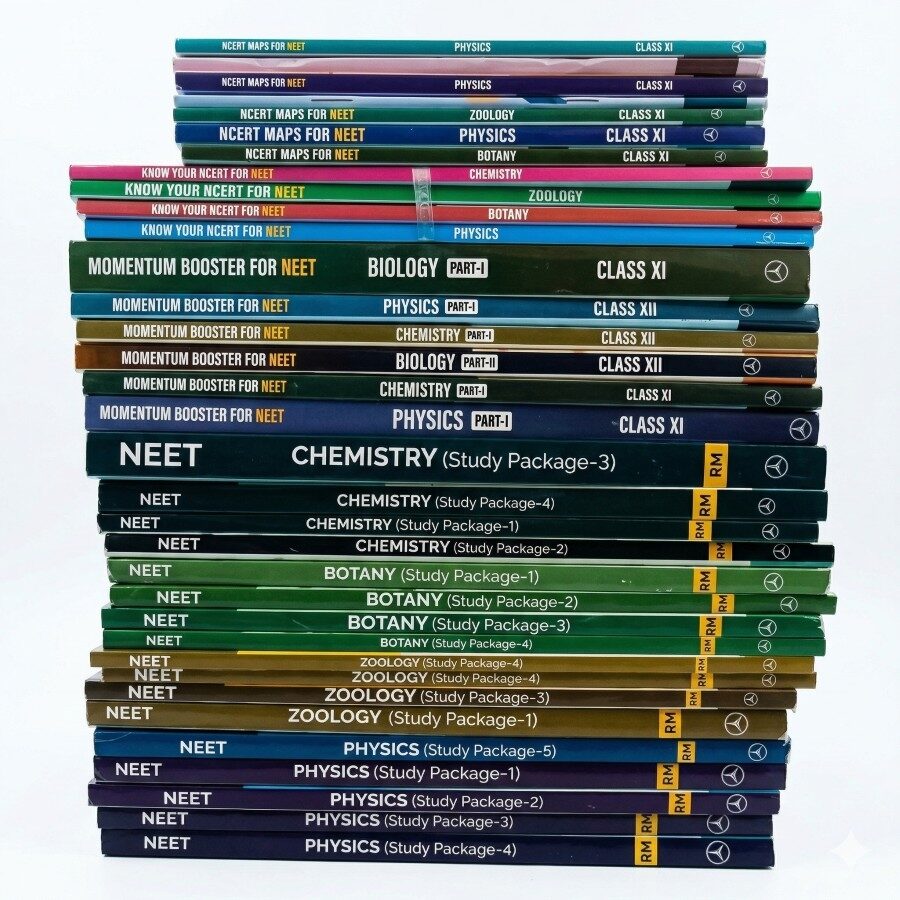 Aakash NEET Medical Complete Package Set of 35 Booklets | 2026 Edition₹9,999
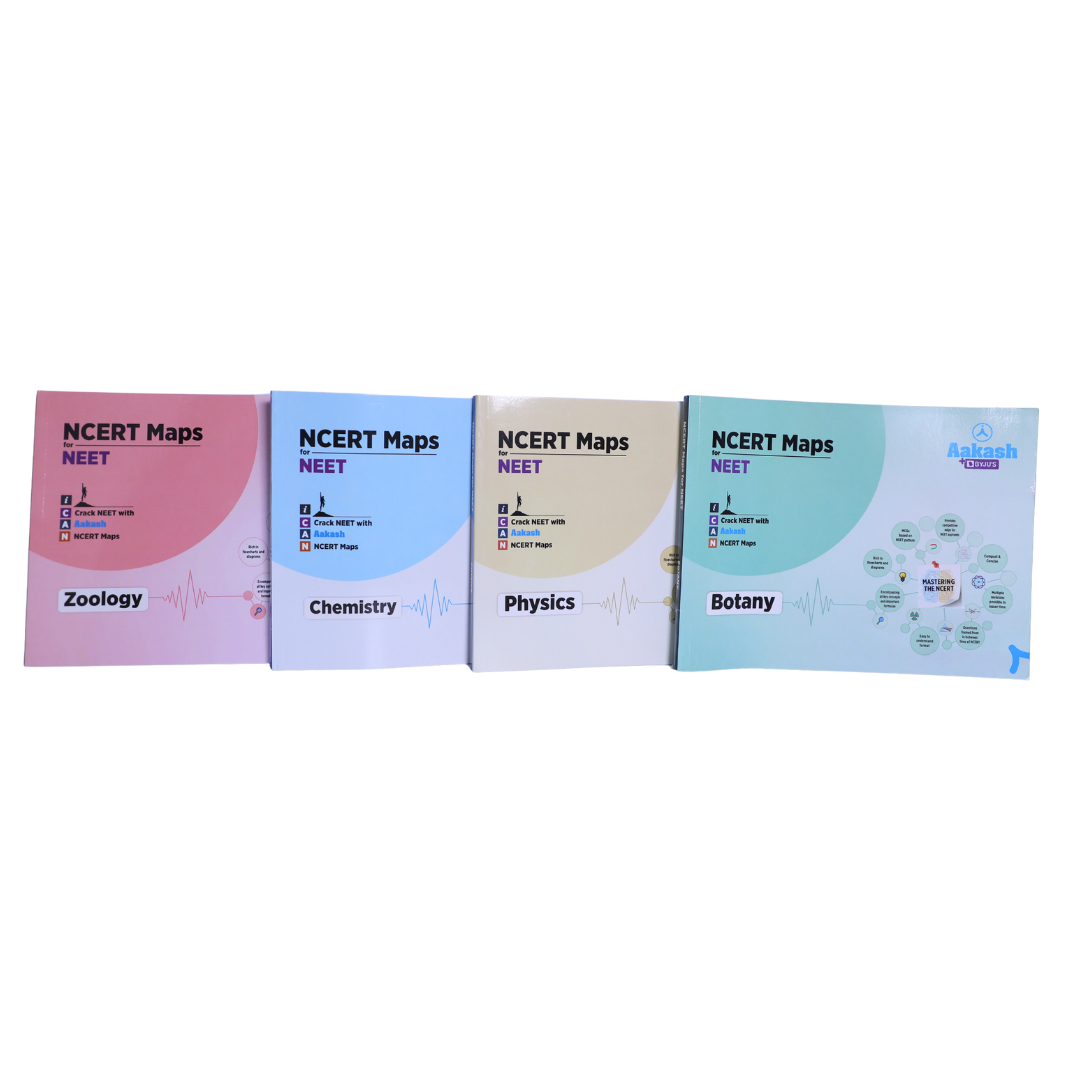 Aakash NCERT Maps for NEET Complete 4 Book Set Edition 2025 English₹1,600
Continue reading
More in Buying Guides



Need help choosing?
Tell us your exam and stage on WhatsApp, we suggest the right set.